Academics


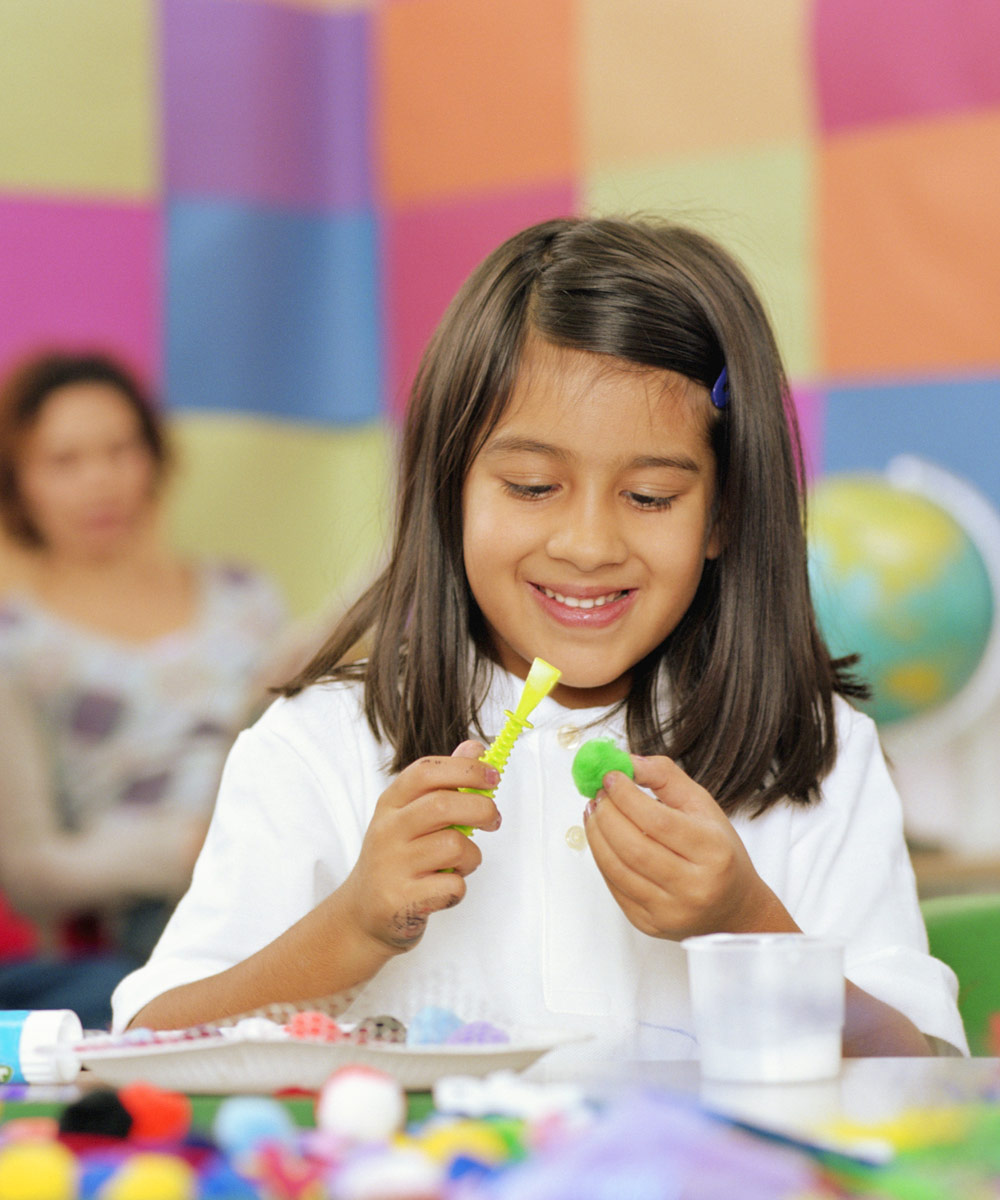
The curriculum and pedagogical structure, along with the curriculum framework for school education, embody the core principle of gradual progression towards leadership.
By comprehending the evolving learning patterns of the human brain throughout different stages of development, we have crafted stage-specific learning modules.
These modules are designed to facilitate a step-by-step advancement, ensuring that students ascend the educational ladder with a deep understanding of each concept they encounter.
By comprehending the evolving learning patterns of the human brain throughout different stages of development, we have crafted stage-specific learning modules.
These modules are designed to facilitate a step-by-step advancement, ensuring that students ascend the educational ladder with a deep understanding of each concept they encounter.
Early childhood care and education: The foundational Stage (Nursery to Class ll)
(Nursery to Class ll) It includes all aspects of care, health, nutrition, play and early learning.
The learning in the preparatory class is based primarily on play-based learning with a focus on developing cognitive, affective, and psychomotor abilities and early literacy and numeracy.
Foundational literacy and numeracy: The Preparatory Stage (Class lll to Class V)
(Class lll to Class V) This stage comprises of three years of education building on the play, discovery, and activity-based pedagogical and curricular style.
Integrating both accessible textbooks and interactive classroom experiences, we aim to establish a strong foundation across various subjects. This comprehensive approach encompasses literacy, communication skills, physical education, artistic expression, language acquisition, as well as the realms of science and mathematics.
Integrating both accessible textbooks and interactive classroom experiences, we aim to establish a strong foundation across various subjects. This comprehensive approach encompasses literacy, communication skills, physical education, artistic expression, language acquisition, as well as the realms of science and mathematics.
Middle SchoolMiddle Stage (Class VI to Class Vlll)
Spanning three years of education, this phase builds upon the pedagogical and curricular approach established in the Preparatory Stage. Students delve into the exploration and discussion of abstract concepts across various subjects, including science, mathematics, arts, social sciences, and humanities. Through experiential learning within each discipline, as well as interdisciplinary explorations, students are encouraged to foster connections and deepen their understanding of the interconnectedness among different fields of study.
Co-Curricular Activities
Incorporating co-curricular activities provides students with a valuable opportunity to step outside the confines of traditional classroom settings and explore their non-academic talents. These activities run parallel to the academic curriculum, offering students a platform to showcase their diverse skills and interests. Given children’s boundless energy, co-curricular activities serve to channel and manage this vitality effectively. However, it’s essential to recognize that co-curricular pursuits are not merely recreational; extensive research underscores their significance, leading many schools to integrate them as integral components of their curriculum.


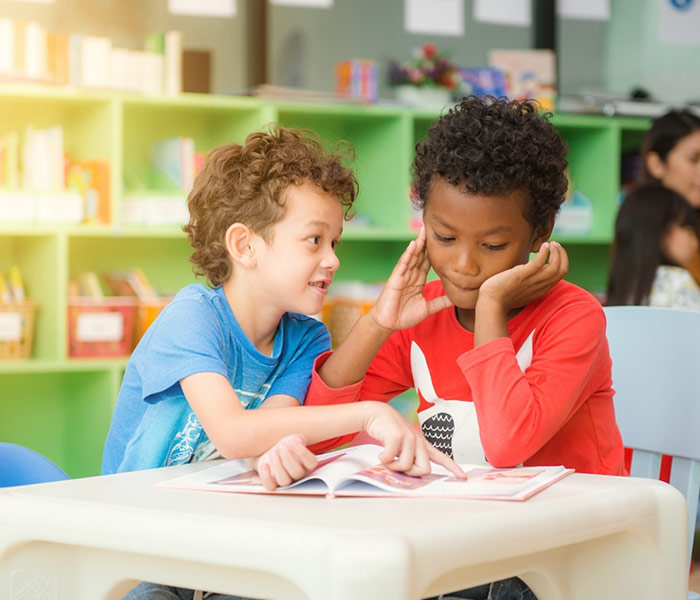
The Co-curricular activities that our school has in the
bucket of hope to offer to our students.

Book Clubs

Poetry Recitation

Story Writing

Debates & Elocution

Exhibitions

Chart Making
Model Making

Gardening

Field Trips

Outdoor & Indoor Games

Dance

Music

Fancy Dress Competition

Clay Modelling
Collage Making
Basket Making
Knitting
Beyond Academics
House System
From the primary level onwards, the school is organized into four houses: BRAHMAPUTRA, GANGES, SATLUJ, and INDUS, each named after a major river in our country. Each house is overseen by a House Mistress and House Representatives. This house system provides students with opportunities to engage actively in a variety of co-curricular activities. Regular inter-house competitions are held, fostering enthusiasm and camaraderie among students.
School Clubs
The school provides club activities tailored to various levels, aimed at nurturing students’ skills and talents with the guidance of experienced mentors. These clubs serve as platforms for students to explore their interests and develop their abilities in a supportive environment. From academic pursuits to creative endeavour, students can engage in diverse club activities that cater to their passions and aspirations. With expert guidance and structured programming, these clubs enhance the overall learning experience and foster personal growth among students. Joining a club allows students to delve deeper into their interests and expand their horizons beyond the classroom setting.
Class I to Class V
Clay Modelling, Origami, Multimedia, Public Speaking, Instrumental Music, Vocal Music, Oratory and Creative Art, Yoga, Aerobics.
Class VI to Class VIII
Vocal Music, Dance, Instrumental Music, Handicraft, Needle Work, Oratory and Creative Art, Yoga, Aerobics.